
How to Design a Structure That Actually Survives Summer and Hurricane Season
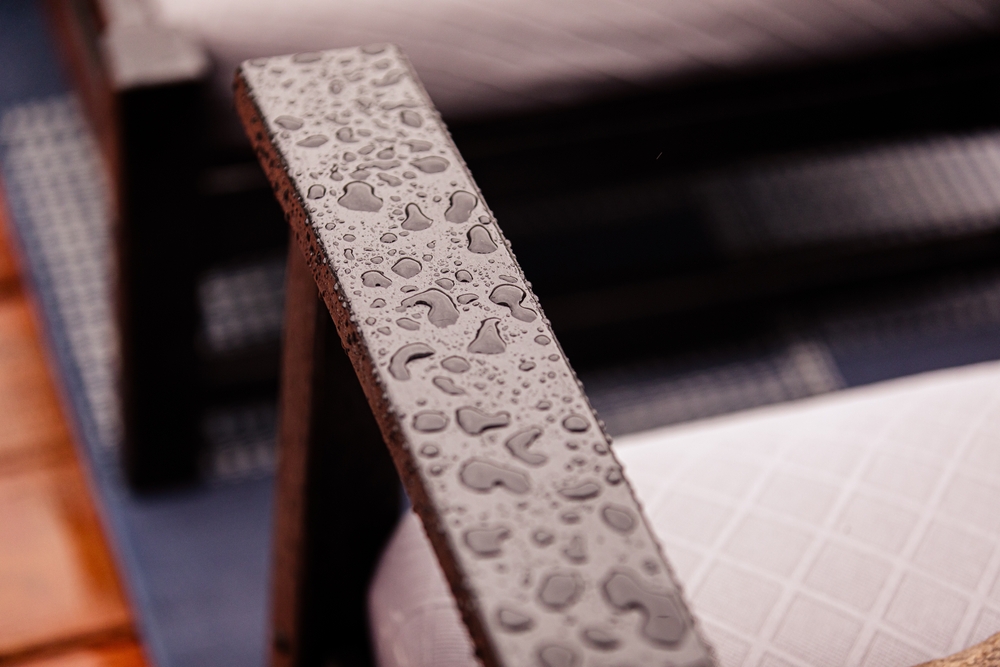
Houston summers are no joke. Between the relentless heat, sudden downpours, and the ever-present threat of hurricane-force winds, outdoor structures in this region face some of the most punishing conditions in the country. If you are planning to add a covered patio in Houston, the design and material choices you make from the very beginning will determine whether your investment lasts for decades or gets torn apart by the first major storm that rolls through.
This guide walks you through the key principles of building a patio cover that is not just beautiful, but genuinely built to withstand what Gulf Coast weather throws at it.
Houston’s Climate Challenges
Before you can design a structure that survives, you need to understand exactly what it is up against. Houston sits in a region that experiences extreme heat indexes regularly climbing above 105 degrees Fahrenheit during summer months. The humidity compounds the discomfort and accelerates the deterioration of certain building materials, particularly wood and low-grade aluminum.
Then there is hurricane season, which officially runs from June through November. During this window, the Houston metro area can experience sustained winds exceeding 75 miles per hour, with gusts reaching far higher during direct hits or near-miss storms. Tropical storms that do not even reach hurricane classification are still capable of producing wind-driven rain that penetrates poorly sealed structures and causes serious water damage.
When you factor in UV radiation that fades and weakens materials over time, you quickly realize that not every patio cover is created equal. Choosing the right material and engineering approach from the start is what separates a structure that thrives from one that becomes a liability.
Why Material Selection Is Everything
The single most impactful decision you will make when designing your outdoor structure is the material. For homeowners and businesses in the Houston area, steel patio covers in Houston, TX have become the go-to solution for one simple reason: steel outperforms virtually every other material when it comes to structural integrity under extreme conditions.
Wood, while aesthetically warm, absorbs moisture, warps in humidity, and is highly vulnerable to rot and insect damage. Even treated wood has a shorter functional lifespan in Houston’s climate compared to metal alternatives. Standard aluminum can work for lightweight applications, but it lacks the rigidity needed to resist high-wind events without bending or deforming.
Steel, by contrast, offers a strength-to-weight ratio that makes it ideal for large spans and high-wind environments. When properly coated with rust-resistant finishes or galvanized treatments, steel resists corrosion even in humid, salt-adjacent coastal climates. It does not warp, it does not rot, and when engineered correctly, it does not fail under the kind of lateral wind loads that hurricanes generate.
For homeowners who want a structure that truly holds up, custom steel patio covers in Houston represent the smartest long-term investment. Customization matters here because off-the-shelf solutions are rarely engineered to the specific pitch, span, and load requirements of your property. A custom design ensures that every beam, connection point, and anchor is sized and positioned for your exact situation.
Engineering Principles That Keep Structures Standing
Material alone is not enough. Even the best steel can fail if the structure is poorly engineered. There are several core principles that separate a hurricane-resistant patio cover from one that becomes airborne debris during a storm.
Roof pitch plays a significant role in wind performance. A roof that is too flat creates a large surface area for wind to get underneath, generating uplift forces that can tear a structure from its footings. A properly angled pitch allows wind to pass over and around the structure more efficiently, reducing uplift pressure.
Connection points are another critical area. The weakest part of any structure is typically where two components meet. For a covered patio in Houston that needs to survive high winds, every connection should be engineered with load-rated hardware and appropriate fasteners. Bolted connections are generally more reliable than screwed ones for heavy-load applications, and all connection hardware should be rated for corrosion resistance.
Footing depth and concrete specifications determine whether the entire structure stays anchored during a storm. In Houston’s expansive clay soils, footings need to be sized and placed correctly to resist both downward loads and the uplift forces that wind creates. Undersized footings are one of the most common reasons patio covers fail during storm events.
Finally, the attachment point where the cover meets your home requires careful attention. If the cover is attached to your house, the ledger board or connection plate must be secured into structural framing, not just into sheathing or siding. Improper home attachment is another frequent failure point that can cause damage not just to the patio cover but to the home itself.
Smart Design Features for Houston’s Heat and Rain
Beyond wind resistance, a well-designed outdoor structure needs to address Houston’s extreme heat and its heavy, sudden rainfall. These elements affect both comfort and long-term durability.
For heat management, the orientation of your patio cover matters more than most people realize. A south or west-facing patio receives the most intense afternoon sun, which means the cover needs adequate depth and potentially integrated shading elements to make the space genuinely usable in summer. Lighter colored finishes on steel reflect more heat than darker ones, keeping the surface temperature of the structure lower and reducing radiated heat into the space below.
Ventilation design is also worth considering. A completely enclosed cover can trap hot air underneath, especially when temperatures are high and there is little breeze. Incorporating open sides, lattice elements, or a slight gap between the cover and any adjacent walls allows air to move through, making the shaded space significantly more comfortable.
For rain management, proper drainage is essential. Houston regularly experiences intense rainfall events where several inches can fall in a matter of hours. Your patio cover needs gutters and downspouts that are sized to handle high-volume flow, and the slope of the roof needs to be sufficient to prevent ponding. Standing water accelerates corrosion even on treated steel and adds significant weight load that the structure was not designed to support permanently.
Sealed penetrations and flashing at every point where the structure connects to your home prevent water intrusion that can lead to rot, mold, and structural damage over time. This is particularly important in a climate as wet as Houston’s.
Working With the Right Contractor Makes the Difference
Even the best materials and design principles cannot compensate for poor installation. When you are investing in custom steel patio covers in Houston, selecting a contractor with specific experience in steel fabrication and local code compliance is essential.
Houston and Harris County have specific building codes that govern patio cover construction, including requirements for permits, wind load ratings, and engineering documentation for larger structures. A qualified contractor will pull the necessary permits, ensure the design meets or exceeds local wind load requirements, and stand behind their work with warranties that reflect confidence in the finished product.
Ask potential contractors about their experience with steel specifically, not just general outdoor construction. Steel fabrication requires different skills and equipment than wood framing or aluminum assembly. A contractor who specializes in steel patio covers in Houston, TX will bring both the technical knowledge and the supplier relationships needed to deliver a quality result.
Do not skip the engineering review step for larger or more complex projects. Having a licensed structural engineer review or stamp the drawings adds a layer of accountability and ensures the design has been evaluated against actual load calculations, not just general rules of thumb.
Conclusion
Designing a patio cover that genuinely survives Houston summers and hurricane season comes down to three things: the right material, sound engineering, and skilled installation. Steel delivers the structural performance that this climate demands, and a custom approach ensures the design fits your property and meets local code requirements. Investing in a properly designed covered patio in Houston means you are building something that protects your home, extends your living space, and holds up for years to come.
Need a Patio & Awning Company in Houston, TX?
Since 1968, ABC Awning Company has been the premier carport and patio cover supplier for the city of Houston and the surrounding areas. We are a local family owned and operated business dedicated to providing our clients with high quality workmanship and products. Our experts specialize in the design and construction of custom steel carports and patio covers. We have both residential and commercial customers that we create these durable and strong awnings for. Not only do these coverings provide shade, they also protect your cars and valuables. Contact us today to learn more about what we can do for you!
Categorised in: Patio Cover