Residential Metal Awnings in Houston: Shade for Windows, Doors, and Small Patios
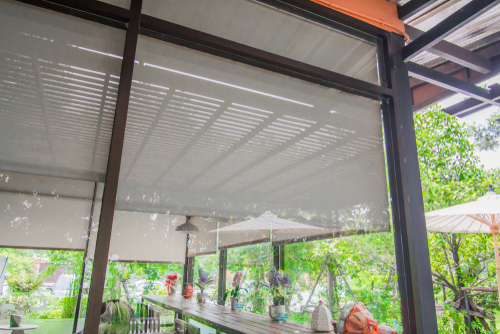
Strong afternoon sun can make west-facing windows, exterior doors, and compact patios uncomfortable for much of the year in Houston. A properly sized metal awning adds permanent exterior shade while also giving a home a clean architectural feature that does not need to be opened or closed each day.
Metal awnings work especially well over windows, entry doors, and smaller outdoor areas where homeowners want dependable shade without building a full porch or patio cover. Because the shade is created outside the home, the awning can block direct sunlight before it reaches glass, doors, or the sitting area below.
What local homeowners should know
-
Metal awnings provide fixed shade, making them useful for windows and doors that receive regular direct sun.
-
West- and south-facing exposures can be especially noticeable during long, hot afternoons in the Houston area.
-
Neighborhoods such as Greater Heights, Montrose, Memorial, Spring Branch, Meyerland, and Westbury include many different home styles, so awning size and design should complement the individual property.
-
Small patio awnings can create a more usable transition between indoor and outdoor living without covering an entire yard.
-
Proper attachment, drainage, clearance, and positioning matter as much as the awning material itself.
Why Residential Metal Awnings Matter in Houston
Residential metal awnings matter in Houston because exterior shade can reduce direct solar exposure on windows, doors, and outdoor living areas during a long warm-weather season. They also provide overhead protection from ordinary rain, making covered entryways and smaller patios more practical during changing Gulf Coast weather.
National Weather Service 1991–2020 climate normals show typical July daytime highs in the low-to-mid 90s at Houston-area observing stations. Local homeowners also deal with humidity, intense afternoon sun, thunderstorms, and periods of stronger wind, so a residential awning should be selected and installed with local exposure in mind.
ABC Awning Company helps homeowners evaluate shade solutions for residential openings and compact outdoor areas. We focus on matching the size and placement of the awning to the part of the home that actually needs protection.
Local Data and Field Considerations
Houston climate data supports the practical value of exterior shade because summer temperatures regularly create long periods of solar exposure on residential walls and glass. National Weather Service Houston/Galveston records also show that heat advisories can affect Harris County and surrounding Southeast Texas during particularly hot and humid periods.
From a practical design standpoint, orientation matters. A window facing west near Memorial may receive a different pattern of afternoon sun than a shaded opening in Greater Heights. Trees, neighboring structures, roof overhangs, wall height, and window placement all affect how much benefit a fixed awning can provide.
How Metal Awnings Affect Your Home
A well-placed metal awning can make a Houston home more comfortable by shading targeted areas before direct sunlight reaches them. Over a window, that means less direct sun striking the glass; over a door, it creates a covered transition area; over a small patio, it establishes a defined shaded zone for outdoor use.
Awnings can also help shield doors and window areas from ordinary rainfall. They are not substitutes for storm protection, roofing, or waterproofing, but thoughtful placement can provide useful everyday coverage.
Signs Your Home Could Benefit From an Awning
A home may benefit from a metal awning when certain windows, doors, or patio spaces receive more direct sun or weather exposure than the surrounding property. Common signs include:
-
A west-facing room receives strong afternoon sunlight through its windows.
-
An exterior door becomes noticeably hot in direct sun.
-
A small patio is rarely used because it lacks daytime shade.
-
Rain frequently reaches an entry door or immediate threshold area.
-
Indoor blinds or curtains stay closed mainly to control direct sunlight.
-
Outdoor seating has to be moved repeatedly to find shade.
-
An existing awning is loose, corroded, damaged, or poorly positioned.
When to Call a Professional
Professional help is appropriate when an awning must be securely attached to the home, sized for a specific opening, or integrated with masonry, siding, stucco, or other exterior materials. Homeowners can observe sun patterns and measure approximate areas themselves, but structural attachment and final installation deserve careful evaluation.
Houston homes vary widely in construction. Attachment conditions found on a brick home in Meyerland may differ from those on a renovated bungalow in Greater Heights or a newer property farther west. Property-specific permit, deed restriction, or HOA requirements should also be checked when applicable.
Common Local Reasons Homeowners Add Metal Awnings
The most common reasons Houston homeowners consider metal awnings are intense afternoon sun, limited roof overhangs, exposed entrances, and small outdoor spaces that need dependable shade.
-
West-facing exposure: Late-day sun can strike windows and doors directly for hours.
-
Limited existing cover: Some homes have entrances or windows with little protection from the roofline.
-
Small patios: A compact slab or seating area may need shade without a large patio-cover project.
-
Frequent rain: Covered door areas provide useful protection during everyday showers.
-
Architectural needs: A correctly proportioned awning can add visual definition above an otherwise plain opening.
Prevention and Maintenance
Metal awning maintenance in Houston should focus on keeping the structure clean, checking attachment points, and inspecting it after significant weather events. Routine observation is especially useful after strong thunderstorms or periods of wind and heavy rain.
Homeowners can safely remove loose leaves and visible debris when the awning is accessible from the ground. Watch for movement, bent components, loose fasteners, corrosion, drainage problems, or separation where the awning meets the structure. Avoid climbing on an awning or attempting structural repairs without the appropriate equipment and experience.
What Results Should Homeowners Expect?
Homeowners should expect a properly placed metal awning to create consistent shade within its designed coverage area, not eliminate every source of heat or weather exposure around the home. The greatest benefit is typically found when the awning is matched to the sun angle, opening size, wall orientation, and intended use.
For a small patio, the result may be a defined shaded seating area. For a window or entry, the goal may be reducing direct exposure during the most troublesome part of the day.
Common Awning Mistakes
The most common metal awning mistakes involve choosing the wrong size, ignoring sun direction, or treating installation as purely decorative. A better approach considers function before appearance.
Mistake: Choosing an awning that is too shallow.
Consequence: The window or door may still receive significant direct sun.
Better approach: Size the projection according to the opening and exposure.
Mistake: Ignoring water runoff.
Consequence: Water may drain toward an inconvenient location.
Better approach: Consider slope and drainage during planning.
Mistake: Using an unsuitable attachment method.
Consequence: The awning may not perform as intended.
Better approach: Match the installation method to the actual wall construction.
A Common Houston Home Scenario
A common Houston scenario is a west-facing back door and small patio that become uncomfortable during the late afternoon even though the rest of the yard has some shade. A fixed metal awning can target that specific trouble spot without requiring coverage across the entire outdoor area.
The same approach can work for an exposed kitchen window in Spring Branch, a side entrance in Montrose, or a compact rear patio in Westbury. The important step is identifying where direct exposure creates the actual problem.
Related Residential Awning Solutions
Residential awning solutions can be tailored to windows, exterior doors, and compact patios rather than using one design everywhere on the home. Window awnings focus on targeted shade, door awnings emphasize entry coverage, and patio awnings create a larger protected area for sitting or gathering.
Our role is to help determine which type of coverage fits the opening, home exterior, and intended use.
Comparing Your Shade Options
Metal awnings are best compared with other shade options based on whether you want permanent targeted coverage, adjustable shade, or a larger outdoor structure. Fixed metal awnings require no daily operation and can fit relatively small areas, while retractable products offer adjustability and larger structures provide broader coverage.
For a single window, door, or modest patio, a full patio cover may be more than the space requires. The right choice depends on the size of the problem you are trying to solve.
Service Areas
Residential metal awning needs vary across Houston because home styles, lot layouts, tree cover, and sun exposure change from neighborhood to neighborhood. Properties in Harris County communities such as Memorial, Spring Branch, Greater Heights, Montrose, Meyerland, and Westbury can each present different placement and attachment considerations.
For service availability outside the primary area, contact us with your property location.
Cost of Ignoring an Existing Awning Problem
Ignoring a loose or damaged existing awning can allow a minor installation or material issue to become more difficult to address over time. Movement, corrosion, drainage problems, or bent components should be evaluated rather than assuming the structure will remain stable through additional Houston weather.
If the problem is simply a lack of shade, waiting carries less urgency, but it can mean another season of an uncomfortable window, doorway, or patio.
Frequently Asked Questions
Are metal awnings a good choice for Houston homes?
Yes, metal awnings can be a practical choice for Houston homes when permanent exterior shade is needed over a specific window, door, or compact patio. Their usefulness depends on correct sizing, orientation, attachment, and placement, so the best design should respond to the individual home’s sun exposure and exterior construction.
Which windows benefit most from awnings in Houston?
Windows receiving strong direct sunlight, particularly during the afternoon, are often the best candidates for awnings in Houston. West-facing openings commonly deserve attention, although surrounding trees, nearby buildings, roof overhangs, and glass size can change the amount of exposure. Observing the window at different times of day is helpful.
Can a metal awning cover a small Houston patio?
Yes, a metal awning can provide targeted coverage for a small Houston patio when the attachment area and dimensions are appropriate. This can work well for a seating area near a back door where a homeowner wants consistent shade but does not necessarily need a full-size patio cover across the entire outdoor space.
Do metal awnings protect against Houston storms?
Metal awnings should not be treated as hurricane or severe-storm protection for a Houston home. They are primarily shade and everyday weather-cover structures. Because Southeast Texas can experience thunderstorms and high winds, the awning’s condition and attachment should be inspected when there are concerns after significant weather.
How much maintenance do residential metal awnings need in Harris County?
Residential metal awnings generally need periodic cleaning and visual inspection rather than constant homeowner attention. In Harris County, it is sensible to check for debris, corrosion, movement, loose components, and drainage issues, particularly after severe weather. Structural repairs or questionable attachment points should be evaluated by a professional rather than handled as a casual DIY project.
How do I choose the right size awning for my home?
The right awning size depends on the width and height of the opening, wall orientation, desired shade area, and available mounting surface. A Houston homeowner should also consider surrounding rooflines, walkways, doors, landscaping, and drainage so the finished awning provides useful coverage without interfering with normal movement around the property.
Create More Useful Shade Around Your Houston Home
A well-planned metal awning can solve a very specific problem: too much sun over a window, too little protection at a door, or not enough shade over a compact patio. We can help you evaluate the space and choose an awning approach that fits the home rather than forcing a one-size-fits-all solution.
Add Reliable Shade Where Your Home Needs It Most
Get a residential awning solution planned around your property, exposure, and intended use.
Categorised in: Metal Awning